Nestled in the heart of south Dublin, Airfield Estate is a unique 38-acre working organic urban farm, educational and research centre and heritage attraction. As a living classroom, it enables people of all ages to engage meaningfully with food, farming, and nature through hands-on experiences. Gifted to the Irish people by the philanthropic Overend sisters in 1974, the estate offers a powerful example of place-based food and agriculture education, rooted in cultural heritage and grounded in community.
Ireland’s long agrarian history makes it an ideal context for this model. For centuries, farming shaped not only the economy but the rhythms of daily life, family structures, and national identity. Even as fewer than 4% of today’s Irish workforce is directly involved in agriculture, strong familial and emotional ties to the land remain. Yet rapid urbanisation and modern economic pressures have created a growing disconnect between people and the systems that produce their food. In this context, living classrooms offer a much-needed reconnection.
Ireland’s food history is also deeply shaped by trauma. The Great Famine (1845–1852), caused by crop failure and exacerbated by political neglect, devastated the population and cast a long psychological shadow. Hunger became not just a reality but a symbol, echoed later in the hunger strikes of the 20th-century independence movement. Food in Ireland is deeply political and personal, making it a potent entry point for rethinking our place in nature. Living classrooms like Airfield provide a space for reckoning with these histories while imagining new futures. They offer opportunities to explore what food means to us, how it shapes our relationships with place and each other, and how it might underpin more equitable ways of living.
Despite Ireland’s rich agricultural legacy, contemporary lifestyles are increasingly distanced from food systems. Many households rely on processed foods and convenience meals, with limited time or knowledge for cooking or food literacy. Meanwhile, children, particularly in urban areas, often grow up without understanding where food comes from or how ecosystems functions. Economic systems compound this disconnect. Irish agricultural policy has historically prioritised ‘productivity’, rewarding scale and output rather than biodiversity, soil health, or animal welfare. While this has supported economic development, it has also contributed to environmental degradation and climate vulnerability.
Encouragingly, a shift is underway. Organic and regenerative farming practices are gaining traction, and Ireland is emerging as a leader in greener beef and dairy production. Yet public understanding and support for these shifts remain limited. Living classrooms can bridge that gap by bringing people back into contact with the land and demystifying agriculture in ways that build informed public engagement.
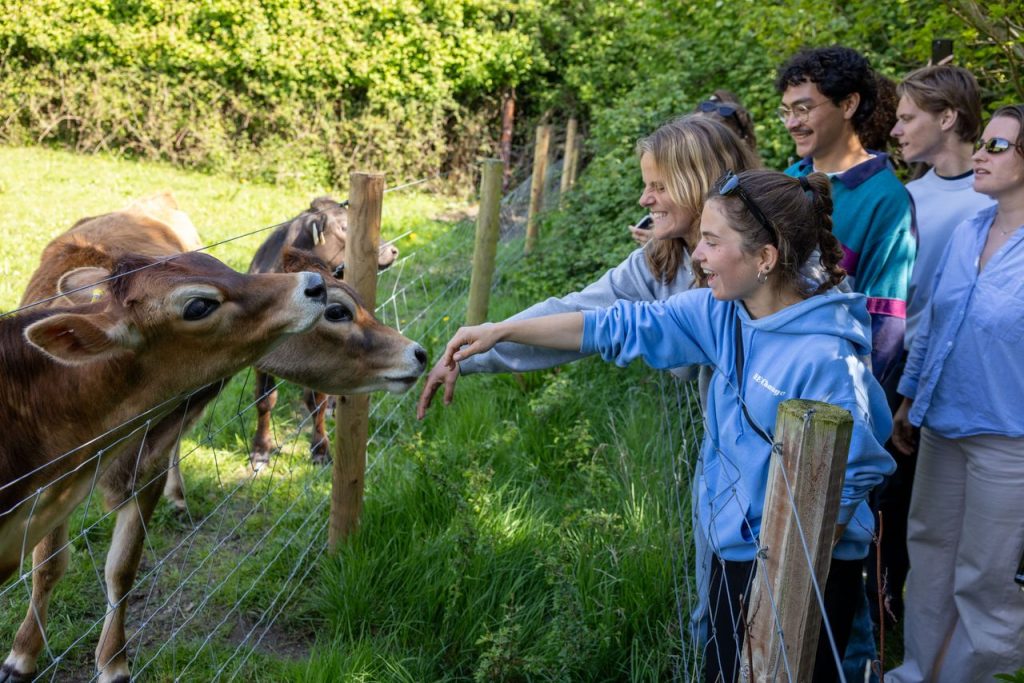
Living classrooms differ fundamentally from traditional classrooms. They are immersive, embodied, and place-based. At Airfield, visitors of all ages encounter nature and food production in real, tangible forms – milking cows, exploring soil ecosystems, planting vegetables, and composting food waste. These experiences build ecological literacy and stimulate an understanding of how natural systems interconnect and how our choices affect them. Visitors often remark that it is not just the farm animals or crops that inspire them, but the sheer abundance of wildlife. Walking around the 38 acres, one frequently sees squirrels, bats, frogs, foxes and badgers. These encounters make the farm feel alive, as a community of beings, each with their role in the ecosystem.
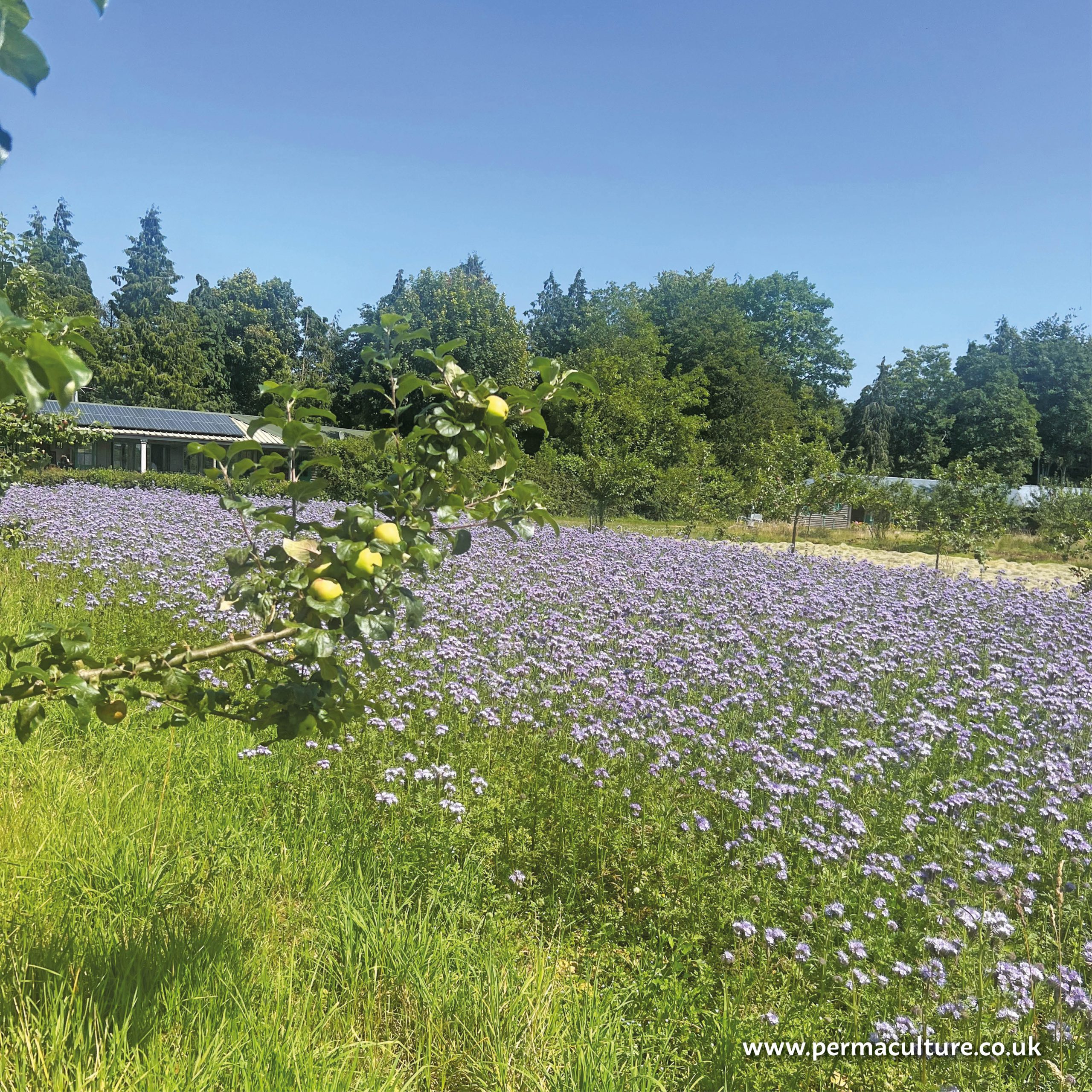
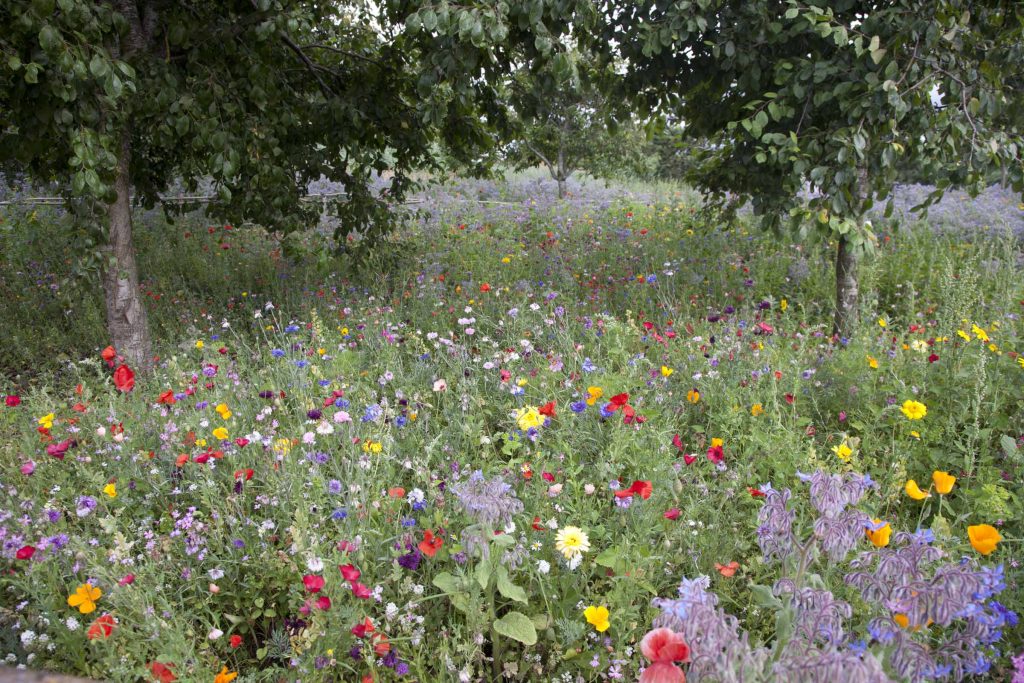
Within our agroforestry pursuits, we encourage the growth of native Irish hedging, woven from hawthorn, hazel, and crab apple, to create natural boundaries filled with blossom and fruit. These hedges act as wildlife corridors, bringing colour and sound to the fields and inform visitors that their own garden hedges are more than fences – they are habitats.
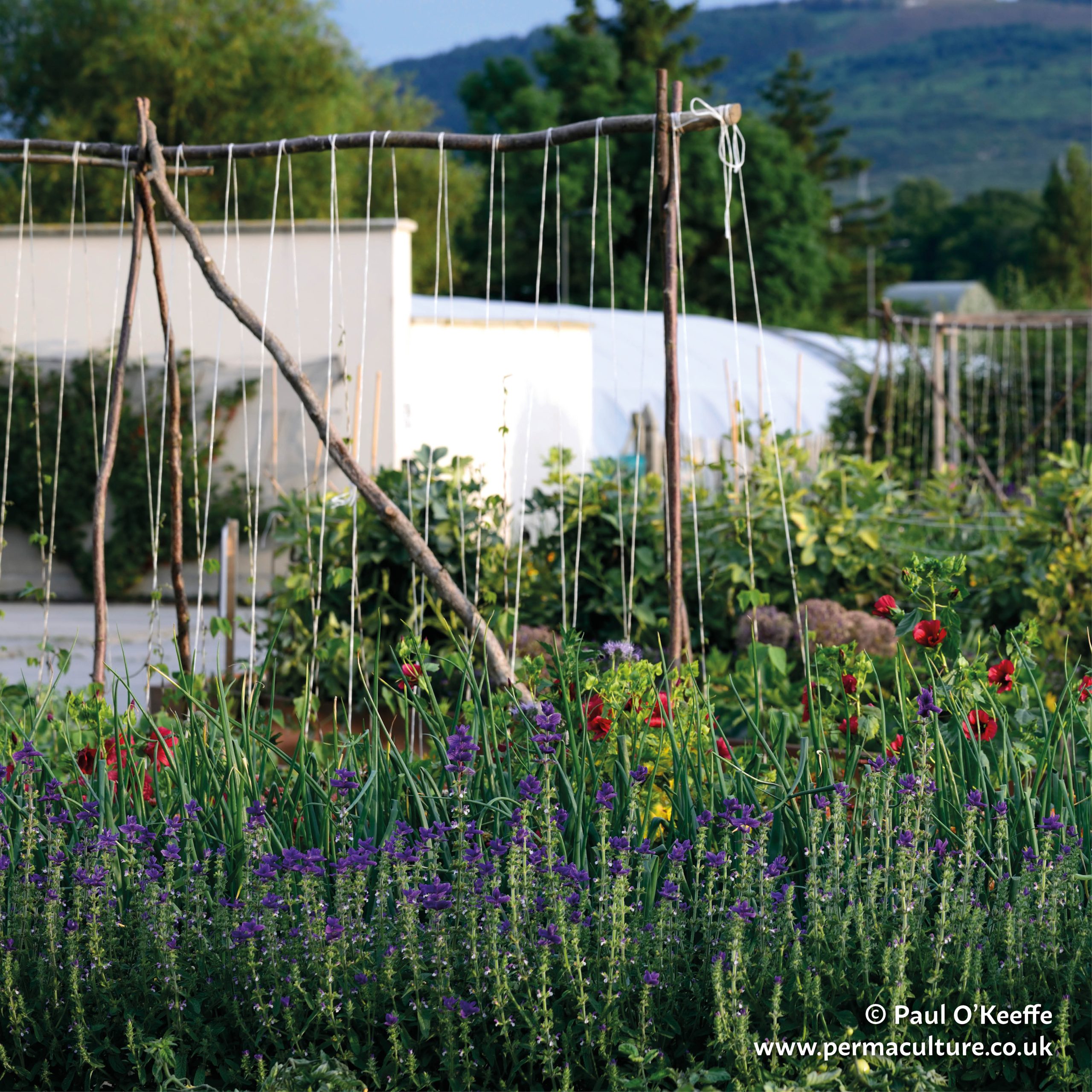
For many visitors, the learning begins in the gardens. Here they can see crop rotation in practice, with beds of peas and beans enriching the soil one year, followed by brassicas and root vegetables the next. Some plots are even left fallow resting the soil so that it regains its natural fertility. Visitors can take these lessons home to their own gardens, learning how rotation and rest can reduce pests and improve harvests without chemicals. Visitors also encounter the MyGug anaerobic digester, a small, egg-shaped system that converts household food waste into clean cooking gas and liquid fertiliser. Demonstrations show how kitchen scraps can power a stove or nourish a garden bed, sparking ideas for how visitors might reduce their own household waste footprint. Workshops on biodiversity, gardening, and food growing provide practical, take-home lessons. Parents and children alike learn how to create pollinator-friendly gardens, plant native hedgerows, and build compost heaps. These experiences transform abstract environmental issues into concrete, family-friendly activities.
The impact of such experiential learning goes beyond the practical. Environmental psychology shows that direct interaction with nature fosters empathy, emotional connection, and a sense of stewardship. At Airfield, children don’t just learn about biodiversity, they observe bees pollinating plants, touch the soil, make butter and drink milk fresh from the dairy. Adults engage with climate solutions not just intellectually, but experientially, through workshops, volunteering experiences which introduce them to low-impact living and organic gardening. Living classrooms also support holistic pedagogy. They integrate cognitive, emotional, and sensory modes of learning, making sustainability relevant and accessible across generations and backgrounds.
A key strength of Airfield’s living classroom model is its grounding in cultural heritage. Airfield endeavours to preserve older ways of farming, cooking, and coexisting with the land. A key aim of this approach is to remind the public that traditional ecological knowledge passed down through generations is effective and useful for our present and future. Every Autumn we host our Harvest festival, which celebrates traditional food and farming practices, such as butter churning and traditional Irish hedgerow setting. Alongside these heritage practices, we also showcase cutting-edge technologies such as 4D printing, aerobic and anaerobic digesters, and renewable energy systems to show how future farming can be both innovative and ecologically sound. We believe that by pairing the old with the new and the traditional with the technological, we can help move the narrative towards a more positive and hopeful future.
Furthermore, as Ireland’s population changes rapidly, with over 20% now born abroad, we want to preserve our cultural heritage and ensure that it is a valued tool to integrate new communities in Ireland. With the various challenges we face around migration and social cohesion, living classrooms can provide a welcoming, hands-on space for connection. Food is a universal language, and growing, preparing, and sharing meals, as we do at Airfield, transcends linguistic and cultural barriers. Through various initiatives, such as our community gardening project, migrants and locals can engage with each other and the landscape to learn about Ireland’s rural and agricultural traditions. In this way, living classrooms can promote social as well as ecological literacy and help to build a more cohesive society.
Despite their potential, living classrooms are still underutilised in Irish education. Farm visits and outdoor learning projects exist, but they are often ad hoc, underfunded, and marginal to mainstream curricula. As Ireland advances national strategies for climate action, biodiversity, and education for sustainable development (ESD), there is a critical opportunity to integrate living classrooms more systematically. By developing this type of experiential and interdisciplinary learning, living classrooms could become key delivery sites, particularly through partnerships between schools, farms, community organisations, and heritage institutions. They also align with multiple policy priorities, including promoting better mental health, rural development and social and intergenerational integration.
As we confront urgent environmental, social, and food system challenges, living classrooms offer a grounded and hopeful response. They link and reconnect us with land, community, and the deeper meanings of food. They also help to reframe the natural world and the environment around us as something lived, shared, and joyful. In a country shaped by both agrarian richness and historical trauma, living classrooms can be places of healing and imagination. They allow us to draw on the wisdom of the past while equipping new generations with the tools to build a more just and sustainable future. Above all, the power of the living classroom is to ensure that education is not just information, but transformation.
Dr Paul O’Keeffe: Head of Education and Research at Airfield Estate
No related articles to show for this tag
No related articles to show for this tag
No related articles to show for this tag
No related articles to show for this tag